
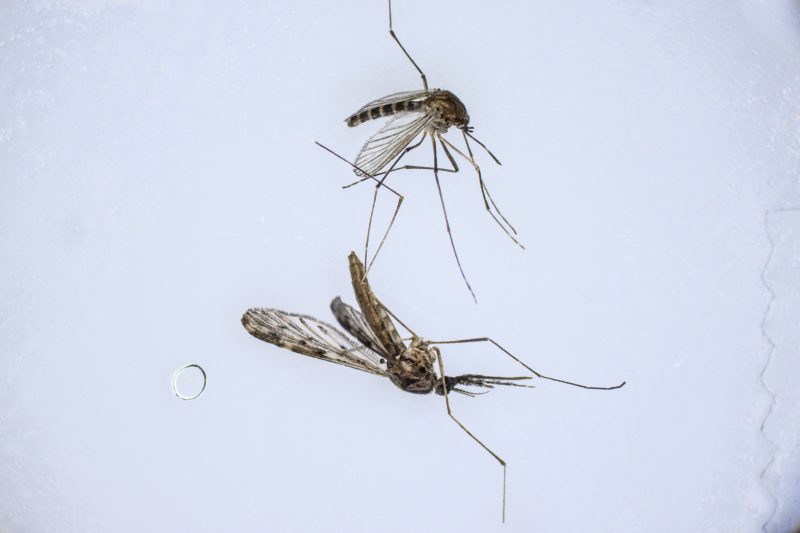
Heavy rainfall and flooding across Central Texas are expected to lead to a significant increase in mosquito populations throughout Austin and Travis County in the coming days, according to public health officials.
Standing water left behind by recent storms has created ideal breeding conditions for mosquitoes, with experts warning that populations typically peak one to two weeks after major rainfall events. Warm temperatures and high humidity are expected to accelerate the process.
The anticipated surge has raised concerns about mosquito-borne illnesses, including West Nile virus, which has historically appeared in Central Texas during periods of increased mosquito activity following wet weather. Recent rainfall has previously contributed to higher mosquito numbers and increased disease surveillance in the Austin area.
Austin Public Health is encouraging residents to follow the agency's "4 D's" of mosquito prevention to reduce the risk of bites and limit mosquito breeding around homes and neighborhoods.
The first recommendation is to drain standing water wherever possible, including water that collects in birdbaths, flowerpots, buckets, clogged gutters and other containers where mosquitoes can lay eggs. Mosquitoes can breed in surprisingly small amounts of water, making routine inspections important after heavy rain.
Residents are also encouraged to dress in long sleeves, long pants and lighter-colored clothing when spending extended periods outdoors, particularly near creeks, parks and wooded areas.
The third recommendation is to use DEET or other Environmental Protection Agency-approved insect repellents containing ingredients such as picaridin or oil of lemon eucalyptus to reduce exposure to bites.
Finally, health officials advise limiting outdoor activities during dusk and dawn, when mosquitoes are generally most active and aggressive in seeking hosts.
The mosquito increase comes as Central Texas continues recovering from widespread flooding that prompted emergency declarations and flood warnings across the region earlier this week.
Officials are encouraging residents to remain vigilant over the next several weeks as mosquito populations expand and standing water persists in flood-affected areas. Continued prevention efforts by homeowners and neighborhoods can significantly reduce breeding sites and help limit the seasonal surge.


From breaking news to thought-provoking opinion pieces, our newsletter keeps you informed and engaged with what matters most. Subscribe today and join our community of readers staying ahead of the curve.
From breaking news to thought-provoking opinion pieces, our newsletter keeps you informed & engaged.


.png)





.jpg)