.png)
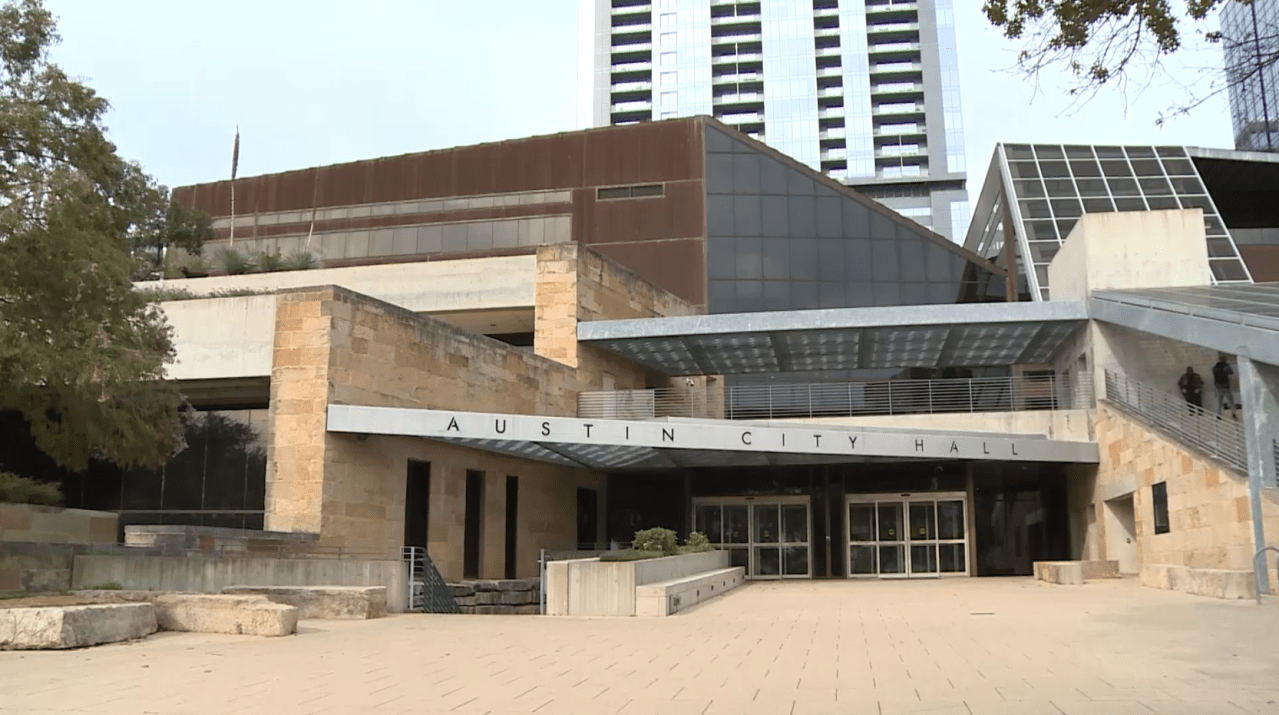
Austin’s ambitious light rail project, approved by voters in 2020, is facing escalating legal and political challenges as rising costs and reduced scope cast uncertainty over its future.The multibillion-dollar transit plan, known as Project Connect, was originally pitched as a 20-mile rail system connecting key parts of Austin, including Austin-Bergstrom International Airport. Today, the proposed rail line has been reduced to about 9.8 miles and no longer reaches the airport.
At the same time, costs have surged. The light rail portion alone is now estimated at $8.2 billion, up from an initial $5.8 billion, pushing the cost to roughly $840 million per mile — among the highest in the nation.
The changes have prompted backlash from some voters, including Cathy Cocco, who supported the measure in 2020 but later joined a lawsuit challenging the city’s funding approach.
“You said you’re going to do all this, and then you do a fraction, and then you’re still going to make us pay for the whole thing,” Cocco said.
The lawsuit argues the city should not continue collecting property taxes approved by voters because the project no longer matches what was promised. A separate legal challenge could determine whether the tax increase itself is valid, a case that may ultimately be decided by the Texas Supreme Court.
“It’s a bait and switch on taxpayers,” said attorney Bill Aleshire, who filed one of the lawsuits.
City officials and transit leaders acknowledge the rising costs but point to global inflation and limited early design work as key factors. Only about 5% of the project had been designed before voters approved it, leaving estimates vulnerable to increases.
Despite setbacks, leaders with the Austin Transit Partnership say the project remains critical for the city’s growth and mobility.
“That’s what we’re focused on delivering for Austin: getting Austin Light Rail phase one built,” said executive director Greg Canally.
The project also faces political headwinds. It still depends on billions in federal funding, which has not been secured. Donald Trump’s administration has not approved new transit funding, and John Cornyn has publicly opposed federal support for the project.
Austin Mayor Kirk Watson said the city must continue moving forward despite the challenges.
“The second-best time is now,” Watson said. “It’s never going to be cheaper.”
Officials aim to begin construction next year, though the timeline depends heavily on funding decisions. If completed, the system is not expected to begin service until at least 2033.
The outcome could have broader implications, as other Texas cities consider similar transit investments amid rapid population growth.


From breaking news to thought-provoking opinion pieces, our newsletter keeps you informed and engaged with what matters most. Subscribe today and join our community of readers staying ahead of the curve.
From breaking news to thought-provoking opinion pieces, our newsletter keeps you informed & engaged.