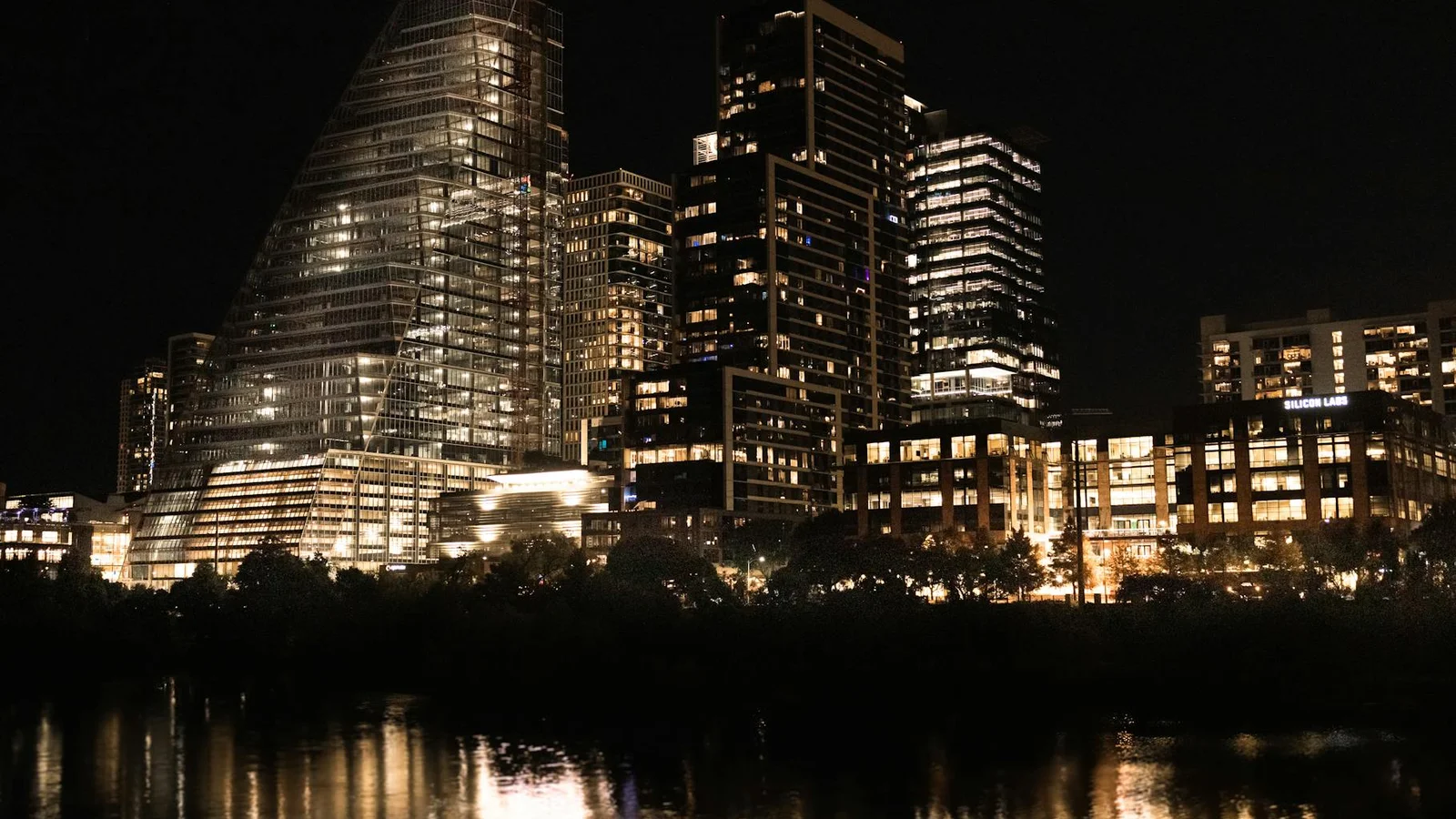
Tesla reported three crashes involving its self-driving robotaxi fleet in July, just weeks after the pilot program launched in Austin, according to federal crash data posted by the National Highway Traffic Safety Administration.
The NHTSA's database on autonomous vehicle incidents records three crashes involving Tesla in July 2025. All incidents are recorded as having occurred on July 1, although experts in the field note that the system often uses the first day of the month as a default when exact crash dates are not provided.
The database entries reveal restricted details, as Tesla has withheld crucial fields, citing concerns over proprietary information. In comparison, competing firms like Waymo and Zoox have traditionally released more thorough crash reports.
Tesla executives revealed during a July 23 earnings call that the Austin fleet, consisting of around a dozen vehicles, had accumulated approximately 7,000 operational miles. The specifics of whether that figure pertains to the initial 30 days of service or a segment of the second quarter are still ambiguous. In contrast, Waymo has documented 96 million miles solely for riders up until June 2025, highlighting the significant disparity in scale.
Incident reports outline the subsequent events:
The second crash, which resulted in injuries despite safety personnel being on site, has caught the attention of analysts. Tesla has installed “safety monitors” in the front passenger seat, rather than the driver’s seat, to comply with legal regulations. These certified drivers are equipped with an emergency stop mechanism and are prepared to take control of the vehicle if necessary.
Entries in the public database failed to provide explicit confirmation regarding the presence of a safety monitor in each incident. Due to legal obligations, the likelihood is relatively high. However, the language used by Tesla could lead to discrepancies in reporting.
“Tesla’s choice of terminology does not alter the reality that these individuals are acting as safety drivers,” stated Bryant Walker Smith, a law professor at the University of South Carolina who specializes in automated vehicle regulation.
Authorities are closely monitoring the situation. In early 2025, the NHTSA mandated Tesla to provide additional details regarding its robotaxi operations as part of its ongoing monitoring efforts.
Tesla promotes its supervised Autopilot system as deploying airbags only once every 5 million miles, a figure that aligns with typical freeway driving. However, initial findings from Austin indicate that the company still has significant progress to make in matching the reliability of more seasoned autonomous fleets.


From breaking news to thought-provoking opinion pieces, our newsletter keeps you informed and engaged with what matters most. Subscribe today and join our community of readers staying ahead of the curve.
From breaking news to thought-provoking opinion pieces, our newsletter keeps you informed & engaged.


.png)